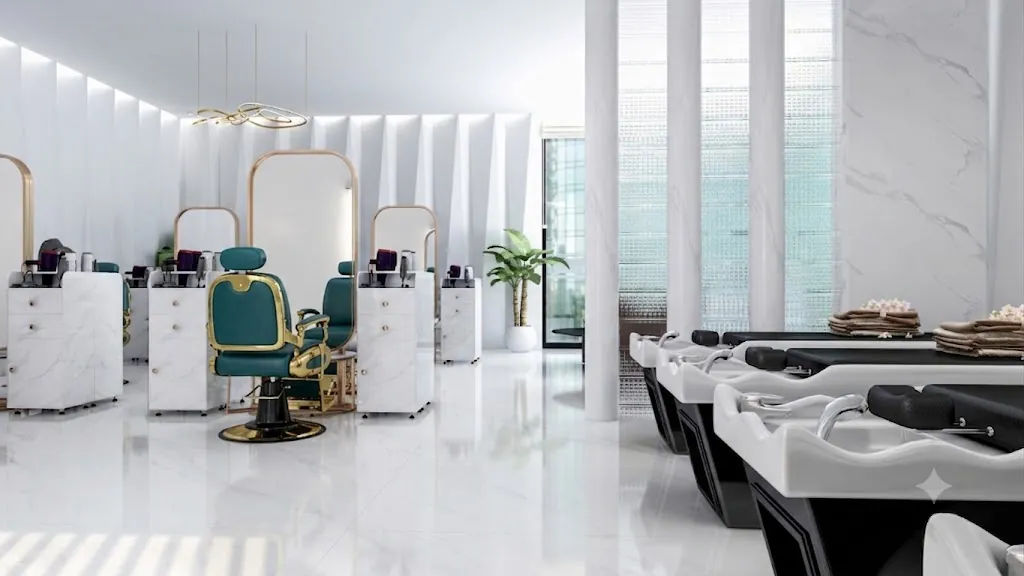
As a salon owner, your setup is the backbone of your business. Investing in premium, commercial-grade furniture is a massive step toward success, but the journey doesn't end at delivery. To truly get the most out of your assets, proactive maintenance is essential.
Proper care doesn't just preserve the aesthetics of your space—it directly impacts your bottom line by eliminating premature replacement costs and ensuring an uncompromised client experience.
Why Furniture Longevity Matters to Your Bottom Line
Salon environments are high-traffic zones. Chairs, tables, and styling stations endure rigorous daily use, chemical exposure, and constant mechanical adjustments. Without a structured upkeep routine, even the highest-quality equipment will show premature wear.
Implementing a consistent maintenance schedule allows you to:
- Protect Your Capital: Significantly extend the operational lifespan of your equipment.
- Elevate Brand Image: Present a pristine, high-end environment that commands premium pricing.
- Guarantee Safety & Hygiene: Keep clients comfortable while meeting strict industry health standards.
- Minimize Overhead: Drastically reduce emergency repair bills and sudden operational downtime.
10 Pro-Tips for Commercial Salon Furniture Maintenance
1. Implement End-of-Day Cleaning Rituals
Daily surface care is your first line of defense against stubborn buildup. Product residue, hair dyes, and moisture can degrade finishes if left overnight.
- Action: Wipe down styling chairs, shampoo units, and workstations after every client using a microfiber cloth.
- Pro-Tip: Stick to mild, pH-neutral soap solutions. Strict avoidance of harsh, alcohol-based chemical cleaners prevents vinyl and leather from cracking.
2. Safeguard Upholstery from Chemical Drama
Color treatments, chemical perms, and specialized facials present a constant threat to fabrics and padding.
- Action: Utilize clear, heavy-duty protective covers during high-risk chemical services.
- Pro-Tip: Treat spills as emergencies—wipe away hair color or oils immediately to prevent permanent staining. Periodically apply a professional-grade conditioner to keep premium upholstery supple.
3. Conduct Routine Mechanical Inspections
Heavy-duty barber chairs and adjustable spa beds rely on moving parts that require regular calibration.
- Action: Create a bi-weekly checklist to inspect hydraulic pumps, recline levers, and swivel joints.
- Pro-Tip: Keep things moving smoothly by tightening loose bolts and applying proper lubrication to joints before friction causes permanent damage.
4. Respect Weight and Structural Capacities
Every piece of professional furniture is engineered with precise weight thresholds. Exceeding these limits compromises structural integrity.
- Action: Train your staff to properly adjust hydraulic pumps before a client sits down to minimize unnecessary sudden pressure.
- Pro-Tip: Ensure you are using the right chair for the right demographic to avoid stressing the internal frames.
5. Regulate Your Salon’s Climate
Environmental variables like excessive humidity, extreme heat, and stagnant air can quietly degrade wood, metal, and fabric components.
- Action: Keep your salon well-ventilated and utilize climate control (AC/dehumidifiers) to maintain stable humidity levels.
- Pro-Tip: Position premium seating away from direct sunlight to prevent UV fading and material warping.
The Maintenance Checklist At-A-Glance
| Frequency | Target Area | Action Required |
| Daily | Contact Surfaces | Sanitize armrests, wipe upholstery, clear hair from base wheels. |
| Weekly | Mechanical Parts | Check hydraulic levels, test reclining locks, inspect footrests. |
| Monthly | Deep Audit | Polish chrome/metal to prevent rust, check electrical cords, tighten structural screws. |
6. Commit to a Monthly Deep-Care Routine
While daily cleaning manages surface hygiene, a deep monthly audit catches hidden mechanical issues before they turn into costly breakdowns.
- Action: Deep-clean base frames, inspect electrical components on advanced spa beds, and check seams for minor tearing.
7. Turn Your Staff into Care Ambassadors
Your team handles your equipment more than anyone else. If they don't know how to treat the furniture, your investment will suffer.
- Action: Conduct brief training sessions on how to properly lock, rotate, and adjust chairs.
- Pro-Tip: Discourage staff from dragging heavy furniture across the salon floor; always lift or use proper rolling mechanisms.
8. Prioritize Manufacturing Quality from Day One
Maintenance is significantly easier when the underlying product is built to last. Opting for cheap, substandard imports might save a few dollars upfront, but it costs triple in repairs down the line.
- Action: Partner with a reputable manufacturer that utilizes reinforced steel frames, high-density foam padding, and commercial-grade upholstery designed for heavy commercial use.
9. Execute Swift, Micro-Repairs
A loose bolt today is a broken hydraulic pump tomorrow. Small issues escalate quickly under the pressure of a busy salon schedule.
- Action: Keep a basic toolkit on-site and address minor tears, squeaks, or loose armrests the moment they are reported.
10. Use Equipment Exclusively for Its Intended Purpose
Using a piece of furniture for a service it wasn't engineered for accelerates wear and tear and can void your manufacturer warranty.
- Action: Restrict barber chairs to hair services and dedicated massage beds to spa treatments. Match the task to the tool.
The Bottom Line
Maximizing the lifespan of your salon equipment doesn't require complex engineering—it just takes consistency. By building these habits into your daily salon culture, you protect your brand's image, elevate client comfort, and secure a much higher return on your investment.
Remember, a well-maintained salon doesn't just save you money; it tells your clients that you respect your craft and their comfort.